the royal forums

Go Back   The Royal Forums > Other Things Royal > Royal House of Fashion > Royal Style File


Reply
 
Thread Tools Search this Thread Display Modes
  #1  
Old 01-28-2005, 05:18 PM
Monalisa's Avatar
Monalisa Monalisa is offline
Banned
 
Join Date: Jan 2004
Location: Namur, Belgium
Posts: 832
Thumbs up Moroccan dresses and their influence in the fashion!

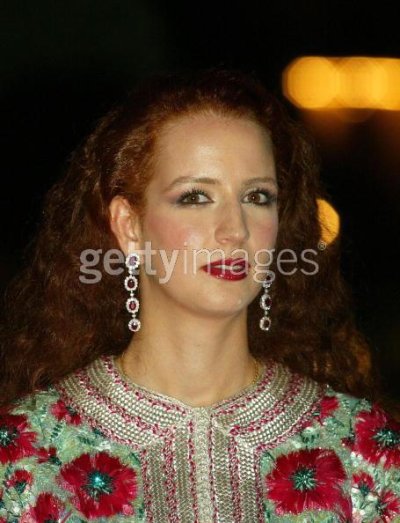
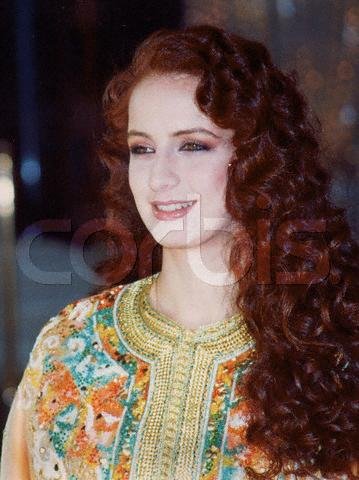
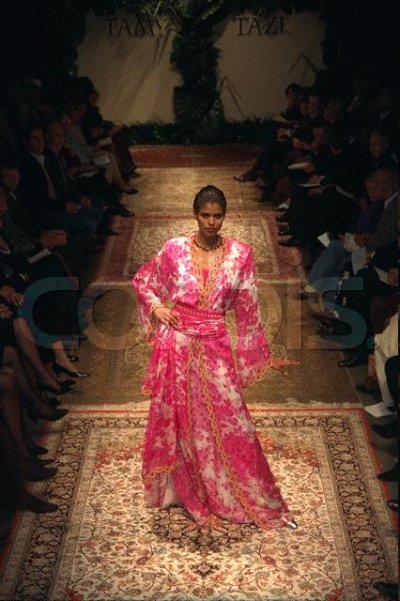
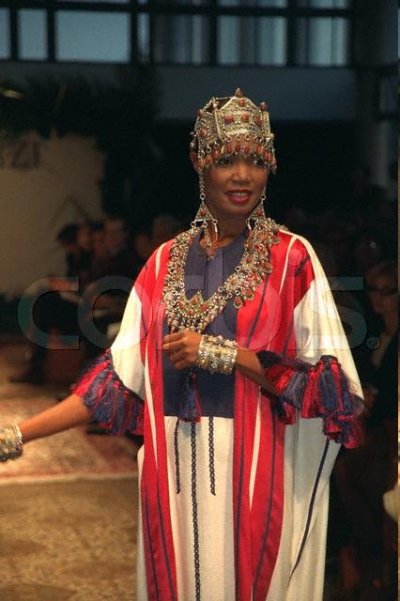
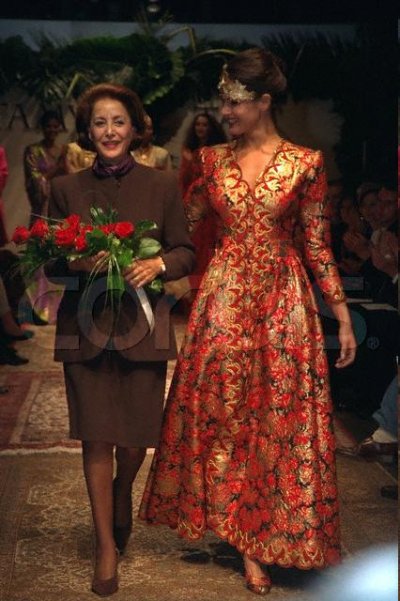
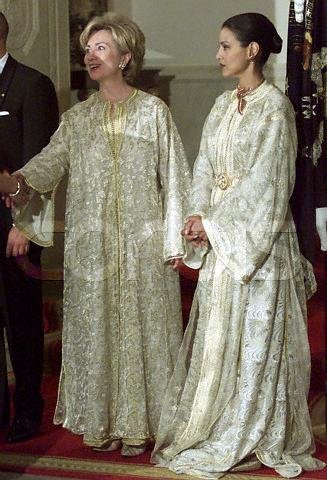
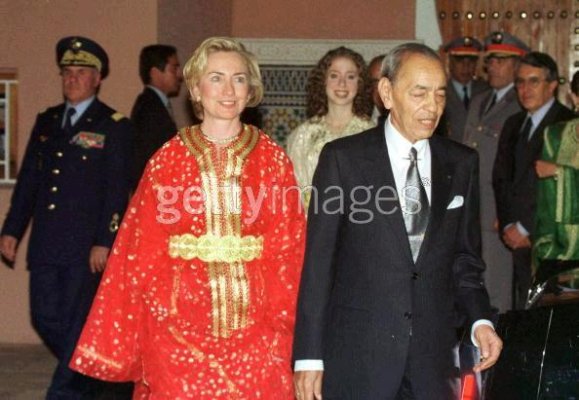
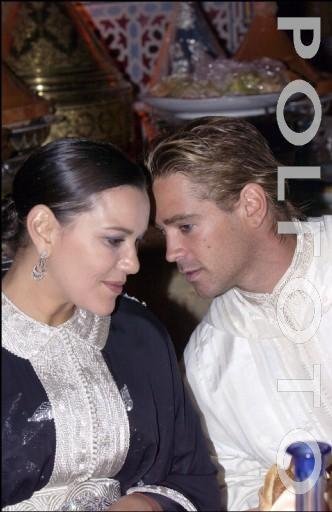
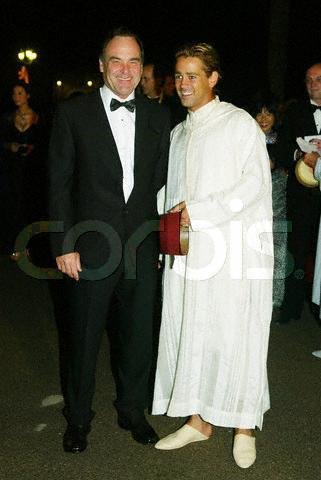
Hi all,post here pictures of royals and celebrities wearing moroccan "taraditionnal" dresses or stylish dresses with moroccan inspiration!

Reply With Quote
  #2  
Old 01-28-2005, 05:25 PM
Monalisa's Avatar
Monalisa Monalisa is offline
Banned
 
Join Date: Jan 2004
Location: Namur, Belgium
Posts: 832
Default

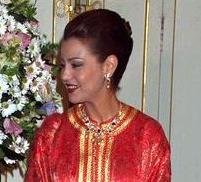
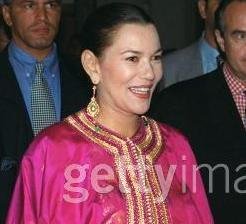
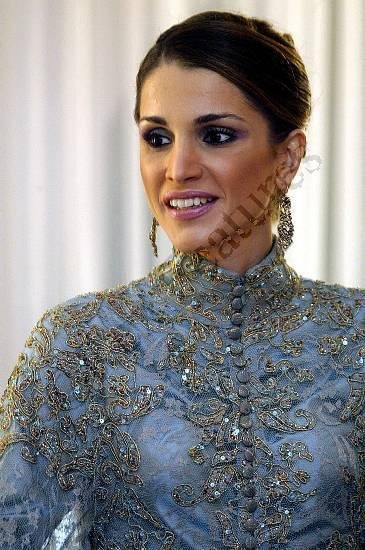
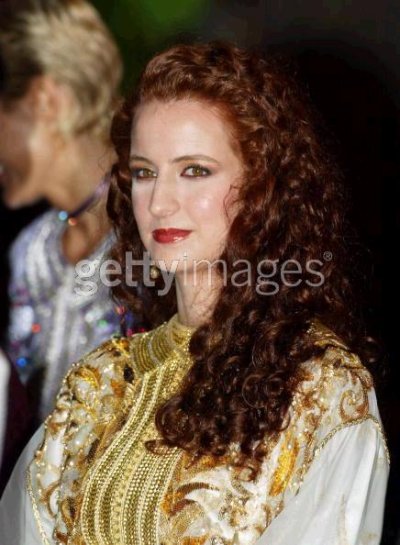
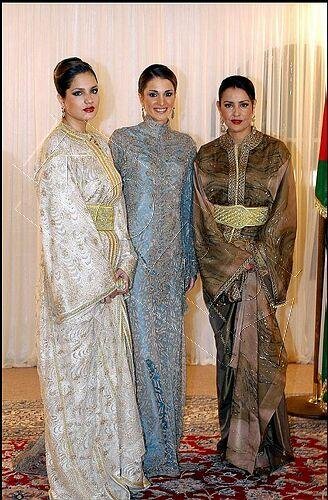
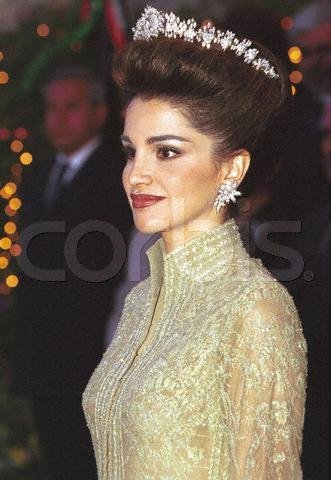
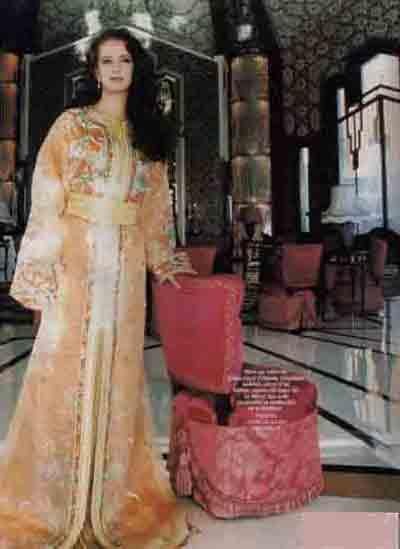
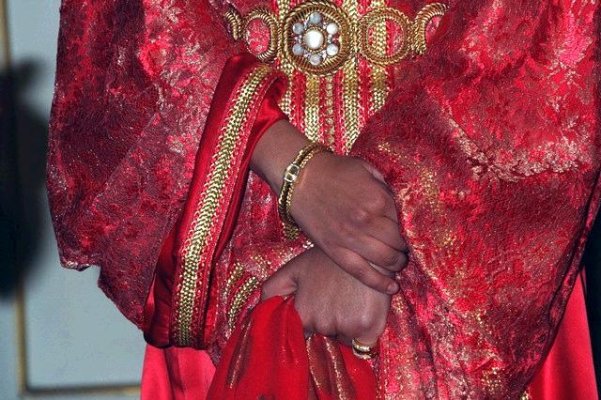
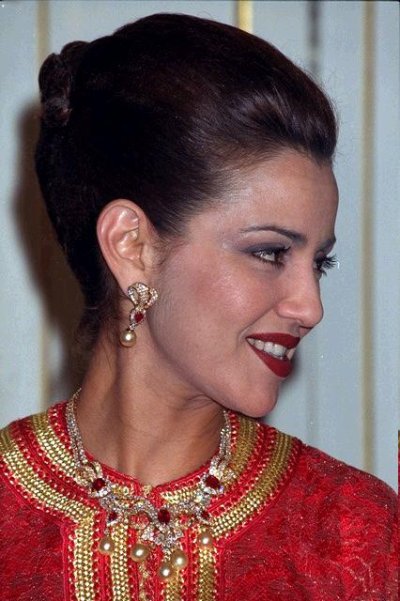
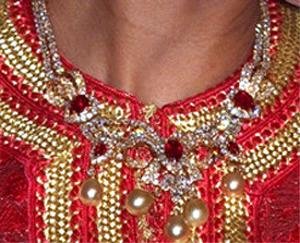
Moroccan princess wearing L.meryem and L.Soukaina wearing moroccan "takchita" and queen rania in a blue dress from the Lebanese designer "Elie Saab" with a 100% ispiration from moroccan takchitas!
Attached Images
File Type: jpg LS+QR+LM.JPG (53.1 KB, 290 views)
File Type: jpg LS+LM.JPG (53.3 KB, 241 views)
Reply With Quote
  #3  
Old 01-28-2005, 05:44 PM
Monalisa's Avatar
Monalisa Monalisa is offline
Banned
 
Join Date: Jan 2004
Location: Namur, Belgium
Posts: 832
Default

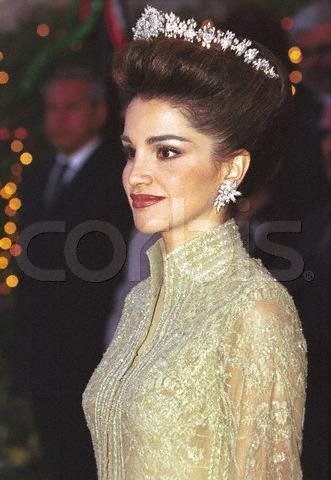
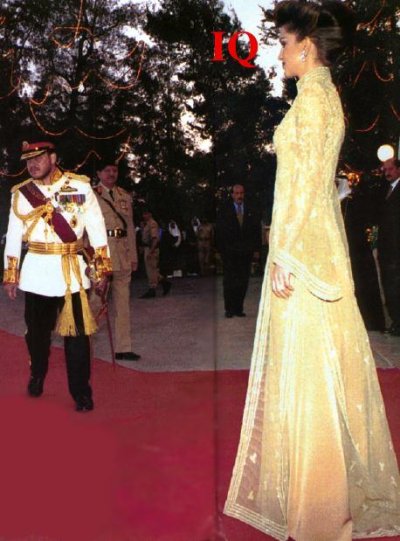
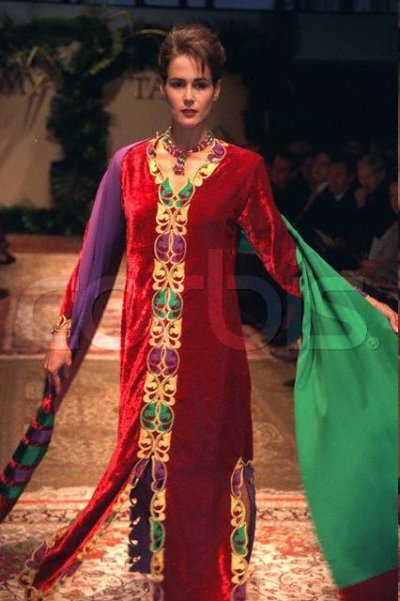
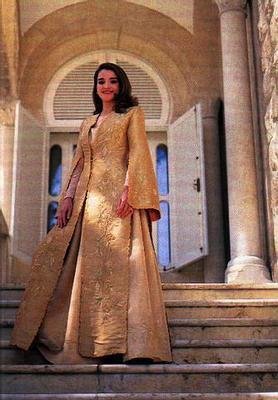
Q.Rania wearing a dress from elie saab, exactly a moroccan takchita:2pieces,embroidement around the coalr and through the middle of the dress till the bottom,and the opened embroidement(profile) from the waist to the bottom.

I don't know other traditionnal arab dresses with espaecially those things!
Attached Images
File Type: jpg _TAKCHITApost-41-1065164803-.JPG (27.9 KB, 144 views)
File Type: jpg _TAKCHITArania profile.JPG (51.5 KB, 199 views)
File Type: jpg full takchita.JPG (22.4 KB, 125 views)
Reply With Quote
  #4  
Old 01-28-2005, 05:50 PM
Monalisa's Avatar
Monalisa Monalisa is offline
Banned
 
Join Date: Jan 2004
Location: Namur, Belgium
Posts: 832
Default

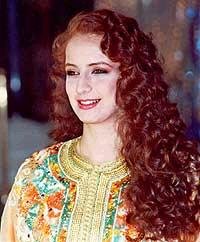
One of my favourites is this one from PL.Salma's engagement.
Attached Images
File Type: jpg salmaorangetakchita of engagement.JPG (22.6 KB, 244 views)
File Type: jpg salmaengagement.JPG (13.1 KB, 125 views)
Reply With Quote
  #5  
Old 01-28-2005, 06:16 PM
Monalisa's Avatar
Monalisa Monalisa is offline
Banned
 
Join Date: Jan 2004
Location: Namur, Belgium
Posts: 832
Default

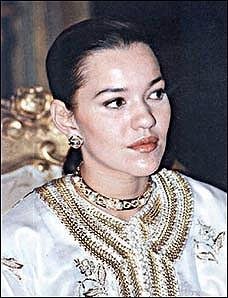
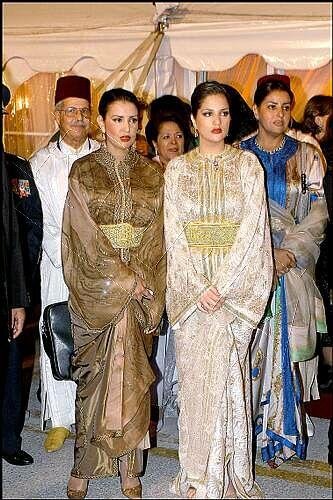
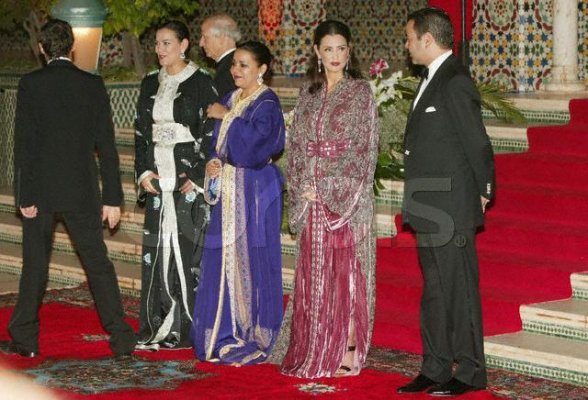
moroccan princesses:
Attached Images
File Type: jpg lalla-hasna with sisters and brother.jpg (62.8 KB, 284 views)
File Type: jpg 0000353336-002 copy.jpg (111.6 KB, 170 views)
Reply With Quote
  #6  
Old 01-28-2005, 06:22 PM
Monalisa's Avatar
Monalisa Monalisa is offline
Banned
 
Join Date: Jan 2004
Location: Namur, Belgium
Posts: 832
Default

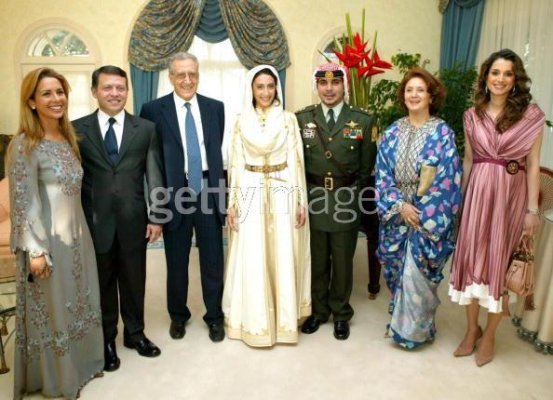
1-The mother of princess rem wearing a blue multicoloured moroccan takchita at her daughter's wedding with prince ali of jordan,princess rym is wearing a dress with circassian inspiration(2pieces similar to the moroccan takchita but the sleeves are long and opned till the middle of the arm,theunder piece is tight)

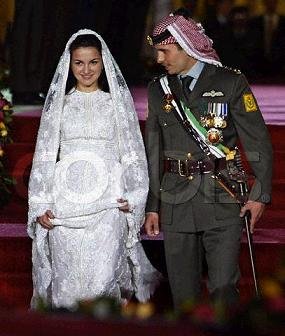
2-Princess Nour wearing a simple white one at her wedding with prince Hamzah of jordan.
Attached Images
File Type: jpg s reem mother in blue moroccan takchita.JPG (51.5 KB, 226 views)
File Type: jpg _takchitawhite.JPG (20.6 KB, 191 views)

Last edited by Monalisa; 01-29-2005 at 02:07 AM.
Reply With Quote
  #7  
Old 01-28-2005, 07:34 PM
abir's Avatar
abir abir is offline
Courtier
 
Join Date: Aug 2004
Location: , Canada
Posts: 501
Default

Hi Monalisa, thanks for the new thread called "Moroccan dresses and their influence in the fashion"

For Rania dress and Elie Saab inspiration, my remark is why it can't be the way around which means: other culture drsses who influence Moroccan dress (Morocco was originaly berber and berber cloths are different, so kaftan style was introduced to Morocco by the arabs)
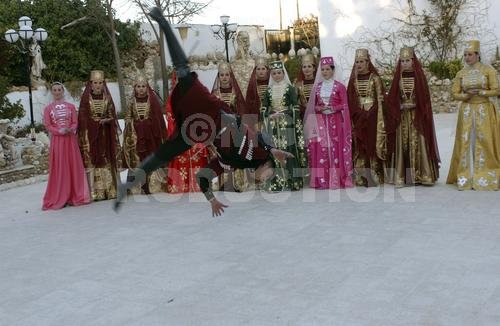
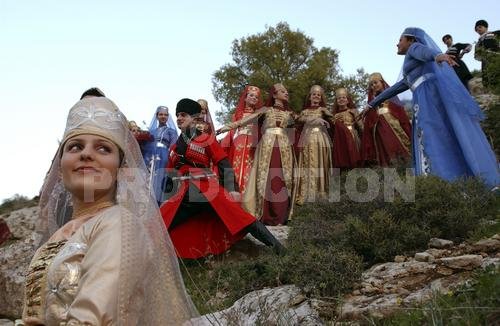
or simply arab dresees look similar due to same history and culture. For example circassian women dress is similar to Moroccan one but details are different and circassian women wear this style for decades. So to me I beleive Rania dress is more influenced by circassian dress (which are part of Jordan) than from a far country like Morocco. I post down pictures where you can see the similarities.


Now about "Moroccan dresses influence in the fashion", I love to add this one:


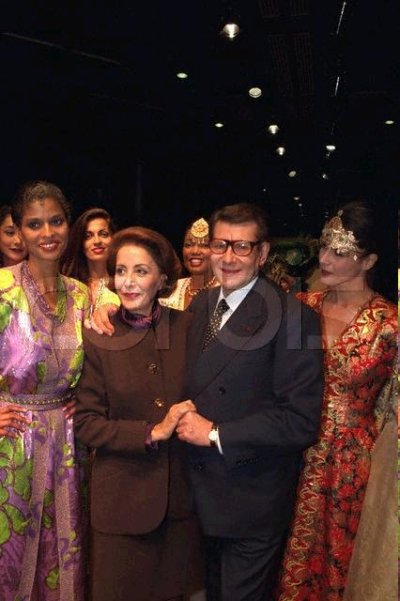
The Hippies of the sixties had brought with them clothes from other ethnic groupings which had often never even been seen before. Nehru jackets and loose flowing robes from hot countries made their way to world cities and permeated down to mainstream fashion, helped of course by designers like Yves St Laurent.

From the mid to late 70s, caftans, kaftans, kimonos, muumuus, djellaba (a Moroccan robe with a pointed hood) or jalabiya (a loose eastern robe) and other styles from every part of the Indian sub continent and Africa were translated into at home style robes and comfort wear. They were worked in every fabric imaginable, but were especially suited as glamour dressing when worked in exotic fabrics and edged in silver or metallic trims.


From http://www.fashion-era.com/1970s.htm...%20Or%20Kaftan
Attached Images
File Type: jpg circassian-1.jpg (30.8 KB, 103 views)
File Type: jpg circassian-2.jpg (32.8 KB, 49 views)

Last edited by abir; 01-28-2005 at 07:39 PM.
Reply With Quote
  #8  
Old 01-28-2005, 08:23 PM
Monalisa's Avatar
Monalisa Monalisa is offline
Banned
 
Join Date: Jan 2004
Location: Namur, Belgium
Posts: 832
Default

Quote:
Originally Posted by abir
Hi Monalisa, thanks for the new thread called "Moroccan dresses and their influence in the fashion"

For Rania dress and Elie Saab inspiration, my remark is why it can't be the way around which means: other culture drsses who influence Moroccan dress (Morocco was originaly berber and berber cloths are different, so kaftan style was introduced to Morocco by the arabs)
or simply arab dresees look similar due to same history and culture. For example circassian women dress is similar to Moroccan one but details are different and circassian women wear this style for decades. So to me I beleive Rania dress is more influenced by circassian dress (which are part of Jordan) than from a far country like Morocco. I post down pictures where you can see the similarities.


Now about "Moroccan dresses influence in the fashion", I love to add this one:


The Hippies of the sixties had brought with them clothes from other ethnic groupings which had often never even been seen before. Nehru jackets and loose flowing robes from hot countries made their way to world cities and permeated down to mainstream fashion, helped of course by designers like Yves St Laurent.

From the mid to late 70s, caftans, kaftans, kimonos, muumuus, djellaba (a Moroccan robe with a pointed hood) or jalabiya (a loose eastern robe) and other styles from every part of the Indian sub continent and Africa were translated into at home style robes and comfort wear. They were worked in every fabric imaginable, but were especially suited as glamour dressing when worked in exotic fabrics and edged in silver or metallic trims.


From http://www.fashion-era.com/1970s.htm...%20Or%20Kaftan


Thanks abir for the nice pictures of the circassian dresses and the informations.


I don't exclue that the moroccan traditionnal dresses got many influences from other cultures,but the thing which does from it what they are now is the specificity of the moroccan culture,so you can't find the same dresses in the closer countries for example algeria or tunisia,the "takchitas" are a specificity for morocco.


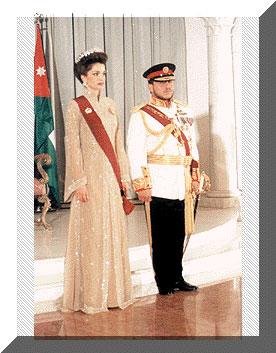
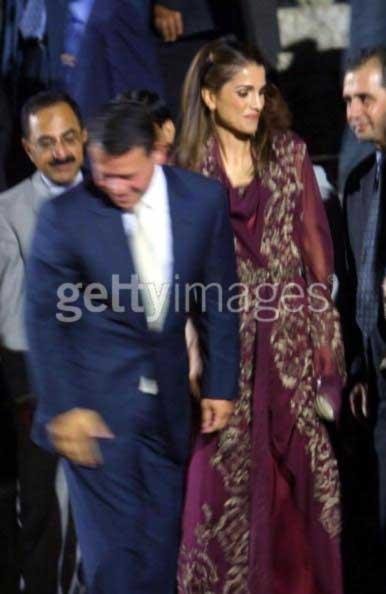
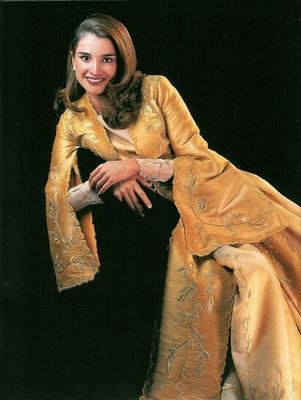
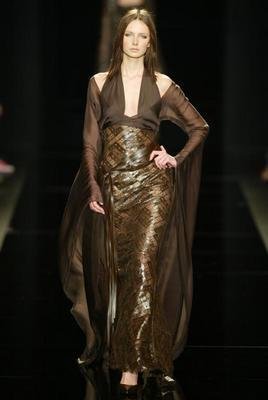
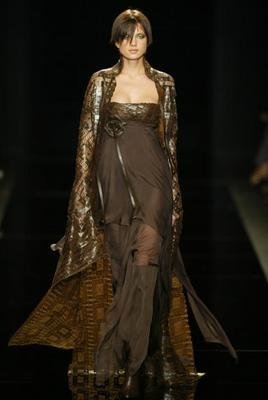
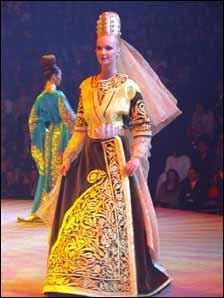
As for rania's dresses the blue one and the golden-beige,i see them more closer than the moroccan takchitas than the circssian dresses,the circassian dresses have an other style,yes the 2pieces and embroidement,but the under piece is tight and the top-piece have long sleeves opened till the middle of the arm,i see more influence for the ruby one rania was wearing at festival jarash and the beige one(see bellow the pictures)an those other brown one from Elie sabb collection 2002/2003 which got the long sleeves,but the style of the blue and golden-beige is more moroccan,by Elie Saab ,and the inspiration doesn't have borders,he would not have inspiration from a closer country to queen rania bacause she would buy it!I think the collection is made from different inspirations or not and then she choose what she likes!


I don't think that rania when she was wearing those dresses(blue&golden-beige)was wearing them like tradional dresses, she was wearing them as nice dresses from an intenational disigner "Elie Saab" like she's used to wear Chanel ,YSL,or Gucci...,when she really decides to wear traditional dresses typical for jordan she wears the "jallabeyyah" as she did many times.


Monalisa.
Attached Images
File Type: jpg rania jarash.JPG (28.4 KB, 156 views)
File Type: jpg rania circasian.JPG (19.1 KB, 376 views)
File Type: jpg _Elie%2bSaab%2bfall%2b2002%2btop.JPG (12.1 KB, 94 views)
File Type: jpg _Elie%2bSaab%2bfall%2b2002%2bbottom.JPG (12.1 KB, 109 views)
File Type: jpg rania99 circassian.JPG (24.0 KB, 418 views)

Last edited by Monalisa; 01-29-2005 at 01:53 AM.
Reply With Quote
  #9  
Old 01-28-2005, 08:36 PM
Monalisa's Avatar
Monalisa Monalisa is offline
Banned
 
Join Date: Jan 2004
Location: Namur, Belgium
Posts: 832
Default

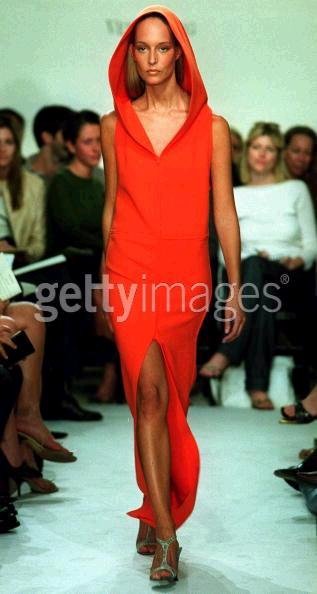
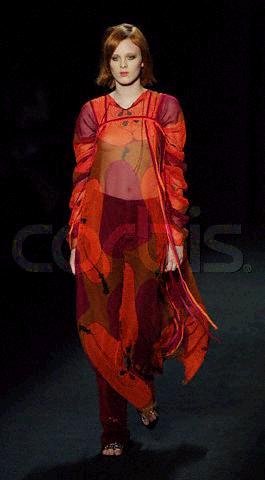
NEW YORK, UNITED STATES: A model wears a coral double-faced zip front caftan with top stitch and welt detailing during the Vera Wang show at Spring 2001 Fashion Week in New York 22 September 2000. (FILM) AFP PHOTO Doug KANTER (Photo credit should read DOUG KANTER/AFP/Getty Images) Copyright:By/Title:DOUG KANTER/StringerDate Created:22 Sep 2000 12:00 AMCity, State, Country:New York, NY, United StatesCredit:AFP/Getty Images
Attached Images
File Type: jpg Vera Wang show.JPG (27.6 KB, 23 views)
Reply With Quote
  #10  
Old 01-28-2005, 08:42 PM
Monalisa's Avatar
Monalisa Monalisa is offline
Banned
 
Join Date: Jan 2004
Location: Namur, Belgium
Posts: 832
Default

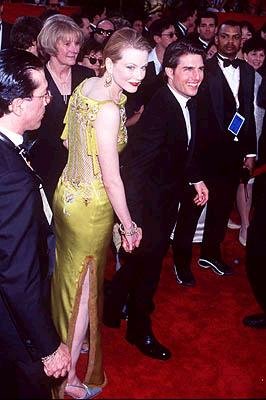
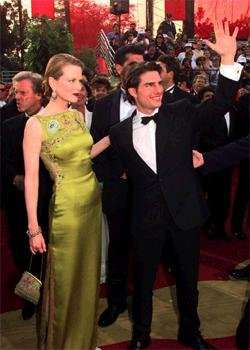
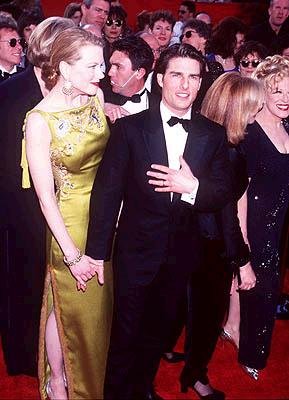
correction:Nicole Kidman wearing a nice dress from Dior ,the influence from the sleevless moroccan caftans and the oriental dresses!
Attached Images
File Type: jpg kidman&cruise.JPG (17.8 KB, 122 views)
File Type: jpg nicolekidman&tomcruise.JPG (24.7 KB, 57 views)
File Type: jpg nicole&tom.JPG (22.3 KB, 76 views)

Last edited by Monalisa; 02-17-2005 at 08:07 AM.
Reply With Quote
  #11  
Old 01-28-2005, 08:45 PM
Monalisa's Avatar
Monalisa Monalisa is offline
Banned
 
Join Date: Jan 2004
Location: Namur, Belgium
Posts: 832
Default

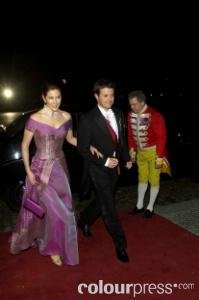
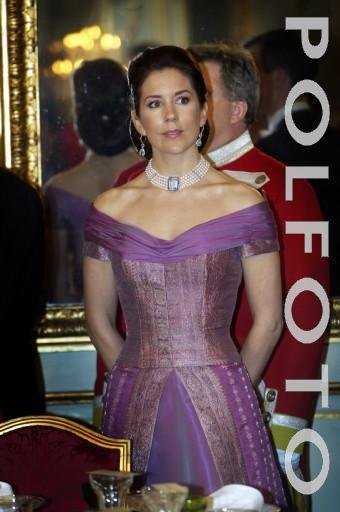
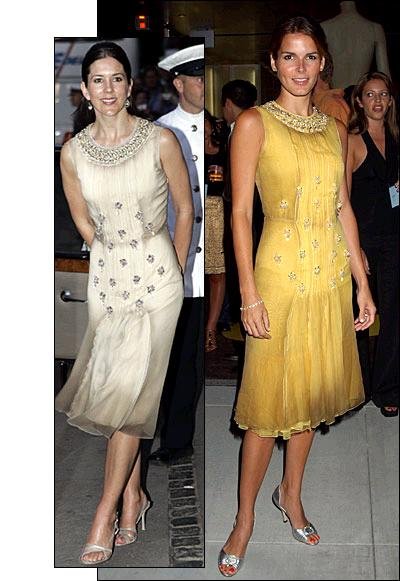
both indian and moroccan influence for the dress of princess Mary!
Attached Images
File Type: jpg indian+moroccan influence.JPG (8.1 KB, 138 views)
File Type: jpg moroccan and indian influence.JPG (28.6 KB, 119 views)
Reply With Quote
  #12  
Old 01-30-2005, 09:29 AM
Layla27 Layla27 is offline
Gentry
 
Join Date: Oct 2004
Location: , United States
Posts: 91
Default

Quote:
Originally Posted by Monalisa
Nicole Kidman wearing a nice dress from YSL Yves saint-laurent,the influence from the sleevless moroccan caftans!


P.S:YSL is born in algeria,and living in morocco from the early 80's in the famous villa "majorelle" in marrakesh,so the influence is understundable!
I am not a fashion expert, but to me this dress looks inspired from oriental dresses (i.e., chinese, hong kong may be) than from the moroccan kaftans
Reply With Quote
  #13  
Old 02-17-2005, 05:14 AM
Athena's Avatar
Athena Athena is offline
Banned
 
Join Date: Sep 2003
Posts: 84
Default

Quote:
Originally Posted by Monalisa
Nicole Kidman wearing a nice dress from YSL Yves saint-laurent,the influence from the sleevless moroccan caftans!


P.S:YSL is born in algeria,and living in morocco from the early 80's in the famous villa "majorelle" in marrakesh,so the influence is understundable!
Actually, that green dress worn by Nicole Kidman for the Oscars was designed by John Galliano for the House of Yves Saint Laurent (or it was an Alexander McQueen before he left the house of YSL. I always forget. It's one of the two.) Mr. Laurent had already left the house of YSL way before that dress was created.

Anyhoo, the dress was actually inspired by the traditional dress of China -- the Chinois.

Thought you should know.:)
Reply With Quote
  #14  
Old 01-29-2005, 03:35 AM
galuhcandrakirana galuhcandrakirana is offline
Courtier
 
Join Date: Jul 2004
Posts: 910
Default

I like this thread thanks for created it Monalisa.
The traditional clothes of Marrocan are very interesting and colourful....
Reply With Quote
  #15  
Old 01-29-2005, 05:54 AM
abir's Avatar
abir abir is offline
Courtier
 
Join Date: Aug 2004
Location: , Canada
Posts: 501
Default

Quote:
Originally Posted by Monalisa
Thanks abir for the nice pictures of the circassian dresses and the informations.


I don't exclue that the moroccan traditionnal dresses got many influences from other cultures,but the thing which does from it what they are now is the specificity of the moroccan culture,so you can't find the same dresses in the closer countries for example algeria or tunisia,the "takchitas" are a specificity for morocco.
You are welcome Monalisa.

Yes, it does exist kaftans similar to Moroccan dress. Maybe the word Kaftan is used in Arab countries (also circassian, turkish ... ) but the details of the dress itself was used in different cultures in Asia, Middle East and Africa. The Kaftan is defined as "a long loose piece of clothing, usually with a belt at the waist, worn by men in Arab countries, a woman's long loose dress with long wide sleeves".

So apart from the actual influence of the "Moroccan dress" on fashion, I wouldn't consider it's the only inspiration of the designers, since embroidery, sleeves, edges of the kaftan have long history, and still used in different costumes in the world, so it's not unique of the Moroccan dress.

Embroidery

Embroidery and most other fiber and needlework arts are believed to originate in Asia and the Middle East. Embroidery and the embellishment of clothing is certainly a time consuming practice which necessitates that there be actual time to do it. For groups of humans living in marginal areas, subsistence would take precedence over leisure activities. For humans living in areas in which subsistence was much easier, there was time to develop the art. Initially, it may have all started as a way to enhance and, at the same time strengthen seams.

In 1964, a Cro-Magnon hunter's fossilized remains were found at a dig in Sungir near Vladimir, Russia, dating to 30,000 B.C. His fur clothing, boots and hat were heavily decorated with hand stitched horizontal rows of ivory beads. This example would seem to indicate that the idea of couching; whether it was bits of something or a cord of some type, has been around for at least as long as embroidery itself.

Chinese bead embroidery in Siberia, dating from between 5000 and 6000 B.C., include elaborately drilled shells stitched with decorative designs onto animal hides. Mosaics of Byzantium, 500 A.D., depict embroidery of clothing with silk thread, precious stones and pearls. It is possible the Chinese thread embroidery from 3500 B.C. was the origin of thread embroidery, as we know it today. Historical documents record the use of embroidery in China as early as 2255 B.C.

...

from http://www.vertetsable.com/demos_bigfive.htm

Last edited by abir; 01-29-2005 at 08:52 AM.
Reply With Quote
  #16  
Old 01-29-2005, 06:07 AM
abir's Avatar
abir abir is offline
Courtier
 
Join Date: Aug 2004
Location: , Canada
Posts: 501
Default

About edges on the Kaftan ... and inspiration of Moroccan dress with edges ans slits & Nicole Kidman dress in post #12.


Caftan, 8th–10th century
Caucasus Mountain regions
Silk, linen, and fur; Coat: H. 56 in. (142.2 cm), W. 60 in. (152.4 cm); Leggings: H. 32 in. (81.3 cm)
Harris Brisbane Dick Fund, 1996 (1996.78.1)

The original linen coat (caftan), preserved in part from the neck to the bottom of the hem, is made of finely woven linen. A decorative strip of large-patterned silk is sewn along the exterior and interior edges of the caftan. A minute fragment of lambskin preserved as the caftan's interior attests to its fur lining. The woven patterns on the silk borders of the caftan include motifs such as the rosettes and stylized animal patterns enclosed within beaded roundels, which were widespread in Iranian and Central Asian textiles of the sixth to ninth century. The colors used in the textile include a now-faded dark blue, yellow, red, and white on a dark brown ground. The decorated silk fabrics are a compound twill weave (samit in modern classification) and the body of the garment is plain-weave linen. Two slits running up the back of the caftan make it particularly suitable as a riding costume.

From http://www.metmuseum.org/toah/ho/06/..._1996.78.1.htm

and http://www.metmuseum.org/toah/ho/06/..._1996.78.1.htm
Attached Images
File Type: jpg hb_1996.78.1[1].jpg (106.3 KB, 17 views)

Last edited by abir; 01-29-2005 at 06:09 AM.
Reply With Quote
  #17  
Old 01-29-2005, 06:34 AM
abir's Avatar
abir abir is offline
Courtier
 
Join Date: Aug 2004
Location: , Canada
Posts: 501
Default

What I found till now are pictures from Musuems or detailed descriptions of how was the Kaftan in some regions in Middle East/Asia.

I wonder how was the Moroccan dress decades ago so that we can compare it with Ottoman/Caucasus/Circassian Kaftan. That could be interesting.


Ottoman Kaftan (entari)
  • Caftans of various styles were the main item of dress for both men and women.
  • Caftans are fairly simple in construction and tailoring, using mostly straight seams; it was the quality of the fabric that was intended to impress (although the majority of surviving caftans are of plain material).
  • They generally have round necks, sometimes with a small stand-up collar.
  • Women’s caftans likewise had round necks: styles that had low round or square necklines or even came under the bust date to the late 18th century. 16th century caftans did not expose the bosom.
  • They usually have buttons to the waist, either jewelled or covered in the same fabric as the caftan. The buttons fastened through loops rather than buttonholes, often attached to frogging in braid or similar fabric across the chest. This frogging seems to be more prevalent on men’s garments than women’s, although it found on caftans of both genders.
  • Caftans were usually three-quarter to full length, although shorter knee length caftans were worn for sport or battle.
  • Women also wore a shorter hip to thigh length caftan called a hirka under or sometimes over a full-length caftan.
  • Sleeves were short, wrist or ankle length. Short sleeves came to the elbow, with a curved cutout in front where the arm would bend. Wrist length sleeves extended just past the fingertips, and were worn bunched up at the wrist and fastened tightly with buttons (This type of sleeve could also be detachable, to mix and match with short-sleeved caftans). Ankle length sleeves were purely decorative, falling empty behind and worn only on the outer garment.
  • The sultan and his court would frequently wear three caftans: one with wrist length sleeves under another with short sleeves, under another with decorative ankle length sleeves, so their contrasting fabrics could all be seen and admired.
  • Women tended to wear wrist length sleeves, with short sleeves only on the outer garment. They did not seem to wear ankle length sleeves at all. (Early 17th century illustrations depict women with decorative flared turned-back cuffs, which be easily achieved by buttoning the sleeve differently at the wrist; it seems likely this was also a 16th century practice.) Sleeves split all the way to the elbow and hanging open did not come into fashion until the 18th century.
  • Women’s caftans did not seem to have the overlapping triangular front gores of the men’s caftans: however, these gores are present on a surviving outer caftan from the Topkapi Saray Museum.
  • Women’s caftans seem to have been tailored quite close to the body. Several 17th century illustrations depict caftans being worn fastened with only every third or fourth button, so as to gape open and show off the fabric of the hirka underneath; it is probable this was also a 16th century practice.
Fabrics
  • Fabrics ranged from light silks, satins and cottons to sumptuous polychrome silks and gold threaded brocades to Italian style velvets and velvet brocades, the more colourful the better (dark or sombre colours were uncommon).
  • Solid colours, moiré, subtle jacquard patterns, triplet spots, stylised tiger stripes, ogival designs and especially naturalistic and stylised floral patterns were all popular. Checks and stripes are almost never seen.
  • Caftans of lighter weight materials were worn closer to the body, with the heavier fabrics being the outer layers.
  • Cotton was the usual lining material, with fur sometimes used to line a heavy outer coat. Silk facing was used at the neck, cuffs, hem and side slits, and was usually a contrasting colour to the caftan and lining fabrics.
  • Apart from the quality and cost of the fabrics, there was little difference in the styles or articles of dress between rich and poor, nor between those of Muslims and non-Muslims.
Belts and sashes (uçkur)
  • The Ottomans were unusual among Islamic cultures for not treating the belt as a symbol of martial power and prestige. Belts are rarely shown in painting before the 17th century, and were not a conspicuous part of male civilian dress.
  • Sashes were made of a folded and seamed length of linen, measuring approximately 2m long by 15 cm wide. They featured elaborate gold-embroidered end panels, around 12-15 cm long.
  • Several 16th belts in the Topkapi Saray Museum are presumed to be women’s. They are of ivory, silver or mother of pearl plaques, joined by links or mounted on leather. The are elaborately decorated with gold or silver scrollwork, and set with jewels. Their length would indicate they were worn around the waist, not the hips.
From http://www.redkaganate.org/clothing/ottocloth.shtml
Reply With Quote
  #18  
Old 01-29-2005, 09:19 AM
abir's Avatar
abir abir is offline
Courtier
 
Join Date: Aug 2004
Location: , Canada
Posts: 501
Default

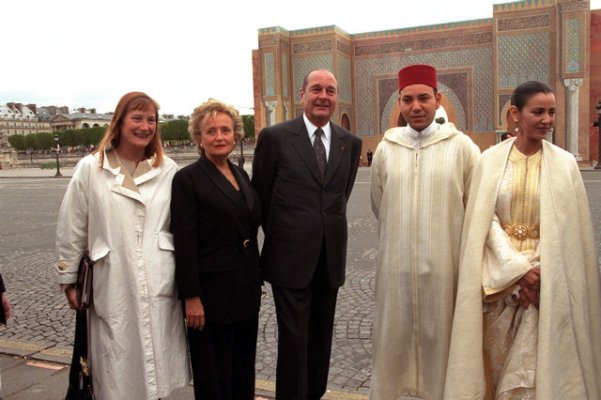
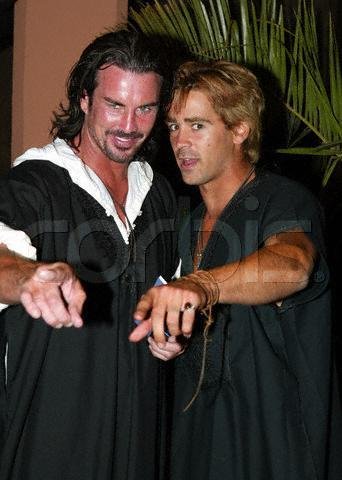
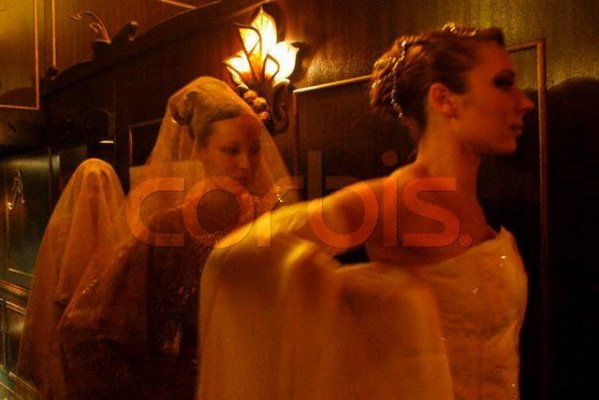
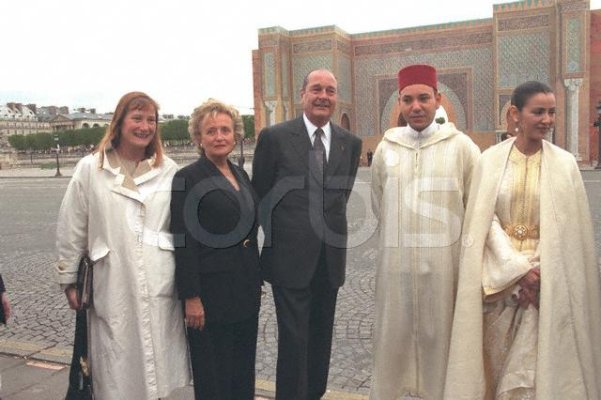
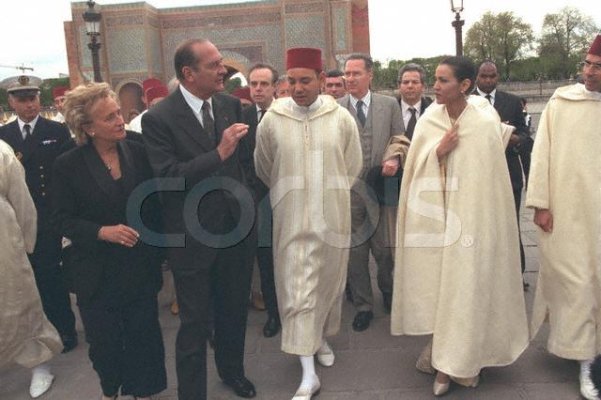
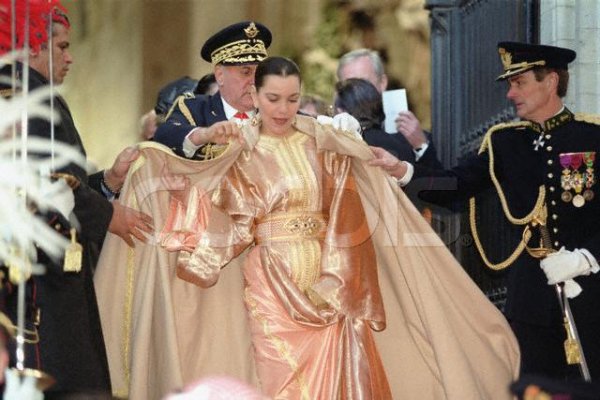
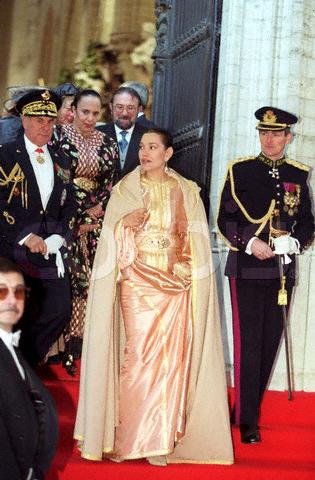
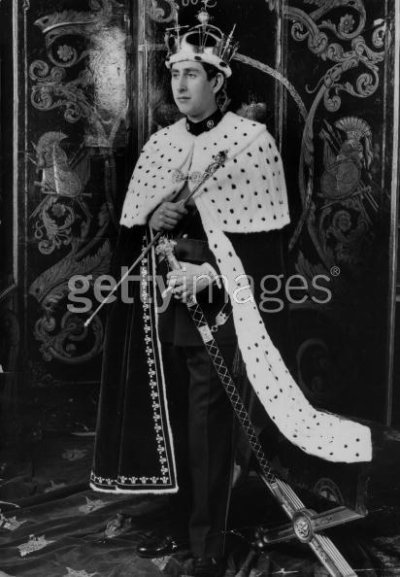
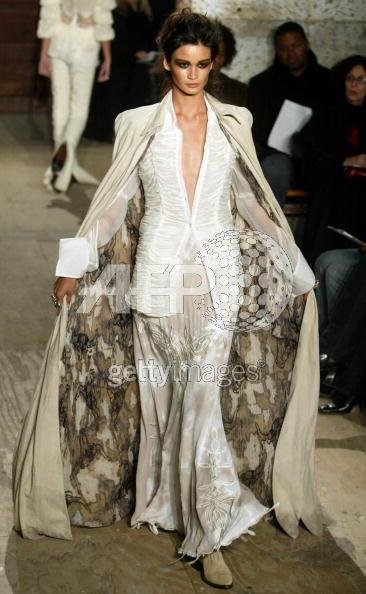
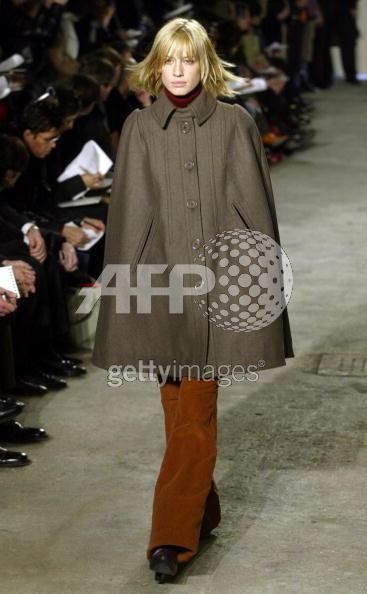
Moroccan princesses (in Paris) and Prince Charles (London) wore bornos ...
Bornos may have Berber/Carthago/Roman origin ... so most likely North Africa and Mediterranean

Pictures from Corbis and gettyimages.


24th June 1969: Prince Charles, eldest son of Queen Elizabeth II and the Duke of Edinburgh, in the coronet, mantle and regalia which he will wear at his investiture as Prince of Wales at Caernarvon Castle. The mantle is in royal purple silk velvet lined with silk and ermine. The coronet was presented by the Goldsmith's Company of the City of London.

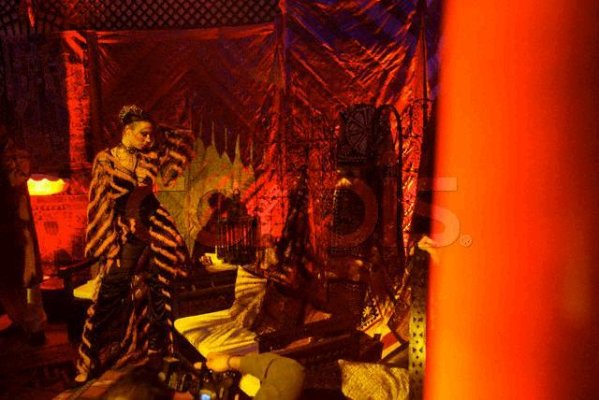
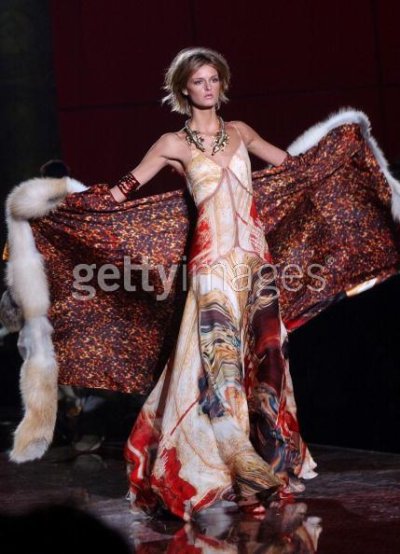
Fashion inspirations: bornos/cape/coat ...

The white one: NEW YORK, UNITED STATES: A model wears "The New Legend" bone suede cape, cream silk liquette and "Outlaw" bias embroidered skirt at the Catherine Malandrino Fall 2002 show in New York 10 February 2002.

The felt cape: NEW YORK, UNITED STATES: A model wears a felt cape, wool ribbed turtleneck and corduroy flared jeans at the Marc by Marc Jacobs Fall 2002 fashion show in New York 12 February 2002.

Dress in red: MILAN, ITALY - SEPTEMBER 30: A model wears a dress from Roberto Cavalli's Spring/Summer women's 2003 collection September 30, 2002 in Milan Italy.
Attached Images
File Type: jpg 0000353336-002.jpg (44.3 KB, 43 views)
File Type: jpg 0000353336-003.jpg (43.8 KB, 57 views)
File Type: jpg 0000360430-009.jpg (50.0 KB, 147 views)
File Type: jpg 0000360430-010.jpg (34.3 KB, 159 views)
File Type: jpg 51705268.jpg (39.7 KB, 52 views)
File Type: jpg 51705409.jpg (31.5 KB, 19 views)
File Type: jpg 1439077.jpg (46.5 KB, 71 views)
File Type: jpg 3432610.jpg (44.8 KB, 30 views)

Last edited by abir; 01-29-2005 at 10:29 AM.
Reply With Quote
  #19  
Old 01-30-2005, 09:25 AM
Layla27 Layla27 is offline
Gentry
 
Join Date: Oct 2004
Location: , United States
Posts: 91
Default

Quote:
Originally Posted by abir
Moroccan princesses (in Paris) and Prince Charles (London) wore bornos ...
Bornos may have Berber/Carthago/Roman origin ... so most likely North Africa and Mediterranean
What the moroccan princess is wearing on top of her takchita is called Selham not Bornos. Bornos is a Tunisian word if I am not mistaken.
The selham is part of the moroccan traditional dress. Moroccan women wear it on top of their Takchitas when they are invited to weddings, and other kind of official ceremonies. It can be made from silk or from whool.
Reply With Quote
  #20  
Old 01-30-2005, 09:37 AM
abir's Avatar
abir abir is offline
Courtier
 
Join Date: Aug 2004
Location: , Canada
Posts: 501
Default

Quote:
Originally Posted by Layla27
What the moroccan princess is wearing on top of her takchita is called Selham not Bornos. Bornos is a Tunisian word if I am not mistaken.
The selham is part of the moroccan traditional dress. Moroccan women wear it on top of their Takchitas when they are invited to weddings, and other kind of official ceremonies. It can be made from silk or from whool.
Lovely Layla27 ... thanks for poiting that :)
I add the following on "Pre-Islamic Foundations of Maghribi Clothing".

...
A second distinctive North African garment, noted in the Islamic period, is the hooded cloak, called burnus in Libya, Tunisia, Algeria, and selham and akhnif (occasionally burnus) in Morocco. There was a similar Greco-Roman garment, the paenula, a travelling cloak to which a hood - cucullus - was usually attached. Whether or not this influenced the development of the burnus/selham/akhnif is unknown. In Arabia the term burnus refers to some kind of hat or head covering. The invading Arabs distinguished between two major Berber groups, the Baranis and the Butr. It has been suggested that this may have been a differentiation between those who wore hooded garments (baranis) and those who wore short garments (butr). It is fairly clear that in antiquity and in the first few centuries under Islam, the Berbers did not wear head coverings like the Muslim Arabs. Indeed, some Berbers [men?] shaved all or part of their heads, which is mentioned in Classical and Islamic sources.

Third is the large rectangular wrapping cloth used as an outer garment by both men and women - although in different ways - from Libya to Morocco in pre-Islamic times, and continuing into the 20th century. Wrap garments have different names: in Berber (Amazight) they are a'aban, akhusi, afaggu, tahaykt, and others; in Arabic ha'ik, ksa', and barrakan. The Arabs associated these ancient Berber wrappers with similar Arabic garments, such as the izar, milhafa, etc. It is clear, however, that the method of draping these wraps is quite different in the Maghrib.

From http://home.earthlink.net/~lilinah/C...biCostume.html
Reply With Quote
Reply


Currently Active Users Viewing This Thread: 1 (0 members and 1 guests)
 
Thread Tools Search this Thread
Search this Thread:

Advanced Search
Display Modes

Posting Rules
You may not post new threads
You may not post replies
You may not post attachments
You may not edit your posts

BB code is On
Smilies are On
[IMG] code is On
HTML code is Off
Trackbacks are Off
Pingbacks are Off
Refbacks are Off


All times are GMT -4. The time now is 01:42 PM.


Other Social Knowledge forum communities:
Cooking Forum - Sailing Forum - Early Retirement - Airstream Trailer - Aquarium Forum - Royal Forum - Book Forum - Volkswagen Touareg Forum - Jeep Wrangler Forum - Whitewater Kayaking & Rafting Forum - Fiberglass RV Forum - RV Forum - Truck Conversion - U2 Music Forum - Fashion Industry Forum
Social Knowledge Networks
Powered by vBulletin
Copyright ©2000 - 2009
Jelsoft Enterprises
Forums Directory
eXTReMe Tracker

Search Engine Optimization by vBSEO 3.3.0